Home / Rheal Software Blog / The Rise of Embedded Insurance: Opportunities for P&C Insurers
The Rise of Embedded Insurance: Opportunities for P&C Insurers
Published on January 08, 2025
Introduction
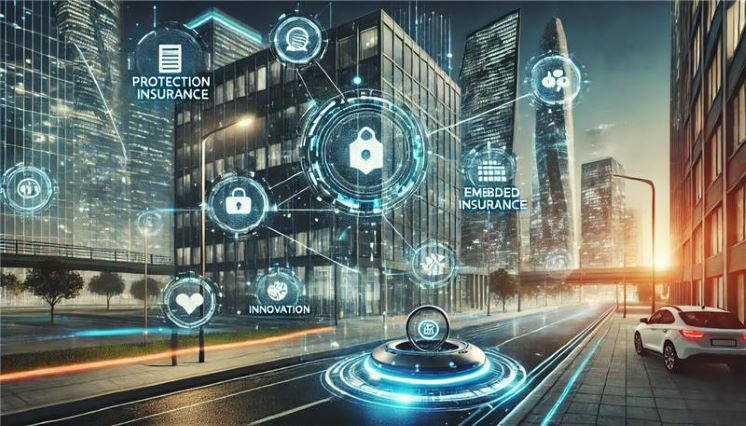
The insurance industry is undergoing significant transformation, largely driven by advancements in technology, changing consumer expectations, and the integration of new business models. One of the most notable trends reshaping the landscape is the rise of embedded insurance . As more industries, platforms, and service providers look for ways to offer seamless insurance options, Property and Casualty (P&C) insurers are presented with both challenges and unparalleled opportunities. In this blog post, we'll explore the concept of embedded insurance, its implications for P&C insurers, and the potential opportunities it offers for growth, customer engagement, and innovation.
What is Embedded Insurance?
Embedded insurance refers to the integration of insurance products directly into the purchase or usage process of another product or service. Instead of going through traditional channels—like purchasing insurance from a broker or a standalone provider—consumers are offered coverage as an add-on when purchasing goods or services.
This can occur in several forms:
- On-demand insurance: Providing coverage at the point of need (e.g., a flight insurance policy offered when booking a flight).
- Integrated product offerings: Offering insurance coverage bundled with purchases (e.g., car insurance included with car leasing).
- Subscription-based models: Offering insurance as part of a subscription service (e.g., rental insurance bundled with subscriptions for home appliances or electronics).
The convenience of embedded insurance is undeniable. It allows customers to purchase insurance products without needing to actively seek them out, increasing the likelihood of policy uptake while simplifying the purchasing process.
The Growing Demand for Embedded Insurance
The shift toward embedded insurance is largely driven by changing consumer expectations. In today's fast-paced, digital-first world, consumers are increasingly looking for convenience, personalization, and seamless experiences. They no longer want to juggle multiple touchpoints or navigate complex insurance processes. Instead, they desire an integrated, easy-to-use solution that complements their existing activities.
According to recent industry reports, the global embedded insurance market is growing rapidly. This surge can be attributed to several factors:
- The rise of digital platforms: From e-commerce websites to mobile apps and subscription services, digital platforms are increasingly offering embedded insurance as part of their broader service offerings. This makes it easier for insurers to reach new customers and deliver products that align with modern lifestyles.
- Consumer behavior shifts: Younger generations, such as Millennials and Gen Z, are more likely to embrace digital-native solutions, including embedded insurance. They prefer quick, digital-first interactions and are increasingly inclined to purchase products that integrate seamlessly into their existing services.
- Technological advancements:The rise of InsurTech has made it easier for traditional insurers to partner with tech companies, creating more opportunities for embedding insurance products across different platforms. AI, big data, and predictive analytics are also helping insurers personalize their offerings and reduce costs.
As more industries embrace the embedded insurance model, there’s an increasing opportunity for P&C insurers to tap into new revenue streams and market segments.
Opportunities for P&C Insurers in the Embedded Insurance Ecosystem
For Property and Casualty insurers, the emergence of embedded insurance presents an array of growth opportunities. Let's explore some key ways in which P&C insurers can benefit from this trend:
1. New Distribution Channels
Embedded insurance opens up new distribution channels that were previously untapped. By partnering with e-commerce platforms, travel agencies, car rental companies, and other service providers, P&C insurers can reach customers who may never have considered traditional insurance options. For example:
- In the automotive sector, an insurer might partner with a car dealership or a car-sharing service to offer renters or buyers comprehensive auto insurance directly at the point of purchase.
- In the travel industry, insurers can offer travel insurance bundled with flight or hotel bookings.
- For the home sector, renters can purchase renters’ insurance as a part of their lease agreement, without the need to seek out coverage separately.
This type of distribution provides access to a wider pool of potential customers and presents an opportunity to increase conversion rates by eliminating friction in the sales process.
2. Enhanced Customer Engagement
Embedded insurance fosters greater customer engagement by integrating insurance into products and services that customers already trust. Instead of thinking of insurance as a separate, often cumbersome purchase, consumers view it as a natural part of their experience.
For P&C insurers, this could mean increased customer loyalty and satisfaction. For example, when a customer buys a new smartphone, offering insurance to cover damage or theft at the point of purchase ensures that the customer feels supported without having to consider their insurance options separately. Similarly, when they lease an apartment, renters’ insurance becomes part of the lease agreement, creating a seamless process.
Embedded insurance helps insurers stay relevant in customers’ daily lives, creating a strong brand presence and reducing churn by ensuring the insurer is involved in key moments of customers’ lives.
3. Personalization and Data-Driven Insights
The rise of embedded insurance allows P&C insurers to harness data collected through digital platforms to offer more personalized, tailored products. By analyzing customer behavior and preferences through digital touchpoints, insurers can create highly customized insurance products that meet the specific needs of individuals.
For example, an auto insurer might use data from connected cars to offer dynamic premiums based on driving behavior, providing discounts for safe drivers. Similarly, home insurers could offer tailored policies based on the unique risks of an individual’s location or property type, making the coverage more relevant and cost-effective.
Data-driven insights also allow insurers to predict customer needs and proactively offer insurance coverage, further enhancing the customer experience.
4. Increased Efficiency and Cost Reduction
Embedded insurance can streamline many aspects of the insurance process, from underwriting to claims processing. By leveraging technology such as automation and artificial intelligence (AI), insurers can reduce administrative costs and enhance operational efficiency.
For example, claims processing can be significantly expedited when insurers receive data directly from platforms like car rental services or ride-sharing apps. This data can be used to validate claims in real-time, minimizing the need for manual verification. Additionally, embedded insurance models can help insurers reduce marketing and customer acquisition costs, as they can tap into existing customer bases through partners.
5. Cross-Selling and Upselling Opportunities
With embedded insurance, P&C insurers have the chance to cross-sell and upsell additional products. When a customer purchases one form of coverage, such as car insurance, insurers can seamlessly offer related products like home insurance or personal liability coverage.
For instance, if a customer purchases a vehicle through an online platform, the insurer can offer them bundled coverage options, including road assistance or protection for personal belongings within the vehicle. This model creates a more comprehensive insurance offering while increasing the overall value of the policyholder’s portfolio.
6. Scalability
The beauty of embedded insurance is that it is highly scalable. Once a P&C insurer has developed partnerships with digital platforms, it can scale quickly across multiple industries. Whether it’s in travel, home rentals, or retail, embedded insurance offers P&C insurers an opportunity to extend their reach to new sectors, creating a broader customer base and potentially multiplying their sales channels without needing to build separate sales infrastructures for each new market.
- Regulatory compliance: Insurance regulations vary widely across markets. Insurers must navigate these regulations carefully, particularly when entering new jurisdictions or partnering with non-insurance businesses.
- Partner integration: Collaboration with third-party platforms or service providers requires seamless integration of systems, data sharing, and communication. P&C insurers must ensure that they can integrate their systems with external platforms without compromising security or customer experience.
- Brand differentiation: With many industries adopting embedded insurance, insurers must differentiate their offerings by providing exceptional customer experiences, clear communication, and unique value propositions.
Conclusion
The rise of embedded insurance represents a transformative shift in the insurance landscape, offering significant opportunities for P&C insurers to reach new customers, increase customer engagement, and streamline operations. By embracing embedded insurance models, insurers can position themselves at the forefront of industry innovation, leveraging data, partnerships, and technology to create a more seamless, personalized, and efficient insurance experience.
While challenges remain, the potential benefits of embedded insurance make it an exciting avenue for P&C insurers looking to grow in an increasingly digital and customer-centric world. By adopting a proactive approach, insurers can take advantage of this trend and unlock new revenue streams, enhance customer loyalty, and stay ahead of the competition in an ever-evolving market.
ABOUT THE AUTHOR


RELATED ARTICLES
How Insurers Can Leverage IoT and Telematics for Smarter Risk Assessment
In an increasingly connected world, insurance companies face growing demands for accurate, real-time data to assess risks and offer personalized policies. Traditional methods of risk assessment, while effective in many cases, are being supplemented and enhanced by emerging technologies like the Internet of Things (IoT) and telematics. These innovations allow insurers to gather more granular data, improve underwriting processes, and create smarter, more dynamic risk models.

Reducing Administrative Burden in Healthcare and Insurance Through Outsourced RPA Solutions
The healthcare and insurance industries are known for their complex, time-consuming administrative processes. From managing patient records and processing claims to billing and regulatory compliance, these sectors are burdened with repetitive tasks that can drain time and resources. Robotic Process Automation (RPA) has emerged as a powerful solution to alleviate this administrative load, helping organizations improve efficiency, accuracy, and cost-effectiveness.
Why Developing Your Own Custom-Built Claims Management System Is Beneficial to a Claims Adjusting Company
In today’s fast-paced digital world, the insurance and claims adjusting industries are undergoing rapid technological changes. With the rise of artificial intelligence, automation, and data-driven processes, claim adjusting companies are under increasing pressure to adopt new technology that can streamline operations and improve efficiency. One of the most significant decisions these companies face is whether to opt for a third-party claims management system or to develop their own custom-built solution.
Using Predictive Analytics to Improve Claims Outcomes in Insurance and Healthcare
In the insurance and healthcare industries, efficient claims management is essential for controlling costs, improving customer satisfaction, and reducing fraud. Predictive analytics and machine learning (ML) are revolutionizing how companies handle claims, enabling them to forecast outcomes, detect anomalies, and make data-driven decisions faster and with greater accuracy. Predictive analytics provides the ability to analyze historical data to identify patterns, trends, and relationships that are not easily visible through manual analysis

Building Scalable Hazard Mitigation Solutions with Custom Software
In industries like construction, oil and gas, manufacturing, and civil engineering, the potential for hazards is a constant concern. Hazard mitigation, which involves identifying, assessing, and minimizing risks, is critical to protecting people, infrastructure, and the environment from disasters and accidents. From explosion risk analysis to structural design safety, companies in hazard mitigation require advanced technological solutions to manage the complexity and scale of their operations.

Enhancing Customer Experience in Insurance with Outsourced Digital Platforms
In today’s competitive insurance market, customer experience is one of the most critical factors in determining a company’s success. Customers expect seamless, personalized, and efficient interactions with their insurance providers, whether it’s for policy management, claims filing, or customer support. As technology continues to advance, insurers are increasingly turning to digital platforms such as customer-facing portals, mobile apps, and chatbots to meet these demands.
If You Are In Need of a Reliable Outsourcing Partner, Try Our Services Risk Free!
- Start with a free no obligation consultation to discuss your business needs.
- We will advise you on how we can help you. You can then try our services risk free for a 100 hours.
- Pay only if you are satisfied. Otherwise, you owe us nothing, no questions asked.





Thank you for submitting your inquiry for our 100 hour Risk Free Trial.
We will get back to you shortly.
Please try again.