Home / Rheal Software Blog / How We Reduced Development Time by 30%: A Case Study
How We Reduced Development Time by 30%: A Case Study
Published on January 24, 2025

Introduction
In the fast-paced world of software development, time is money. For businesses aiming to stay competitive, reducing development time without compromising quality is crucial. At [Your Company Name], we recently achieved a 30% reduction in development time for one of our key projects. In this case study, we’ll walk you through our approach, the challenges we faced, and how our strategies led to a significant improvement in efficiency.
Understanding the Challenge
The project in question was a large-scale e-commerce platform for a client in the retail industry. The client needed a fully functional, feature-rich platform capable of handling thousands of concurrent users. However, the timeline was aggressive—six months from start to finish.
Key challenges included:
- Complex system requirements with multiple integrations.
- Ensuring scalability and security.
- Limited room for errors or delays.
Our objective was clear: deliver a high-quality product within the stipulated time without inflating costs or overburdening the team.
The Strategies We Used to Achieve a 30% Reduction in Development Time
1. Adopting Agile Development Practices
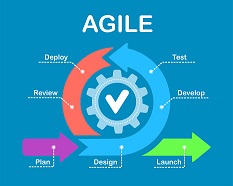
One of the first steps was transitioning to an agile methodology. By dividing the project into smaller sprints and focusing on iterative development, we improved communication and collaboration among team members. Key agile practices we implemented included:
- Daily Standups:Keeping the team aligned and addressing roadblocks immediately.
- Scrum Framework: Breaking the project into manageable chunks.
- Continuous Feedback Loops: Incorporating client feedback at every stage.
This approach eliminated wasted effort and ensured everyone was working toward a common goal.
2. Leveraging Pre-Built Components
Rather than building everything from scratch, we made extensive use of pre-built components and third-party libraries. These included:
- UI Frameworks: To accelerate front-end development.
- APIs and SDKs: For payment gateways, authentication, and other common functionalities.
- Open-Source Libraries: For reusable code that fit project requirements.
This allowed us to focus on customizing features unique to the client’s needs instead of reinventing the wheel.
3. Automating Testing and Deployment
Manual testing can be time-consuming and error-prone. To counter this, we implemented a suite of automated testing tools:
- Unit Testing Frameworks: To validate individual code components.
- Integration Testing Tools: To ensure modules worked seamlessly together.
- End-to-End Testing Solutions: For simulating real-world usage scenarios.
Additionally, we set up Continuous Integration and Continuous Deployment (CI/CD) pipelines, which automated the build and deployment process. This saved countless hours and reduced the risk of human error.
4. Streamlining Communication
Miscommunication is one of the biggest culprits of delays in software development. To mitigate this, we established clear channels for collaboration using tools like:
- Slack for Instant Messaging: Quick resolution of queries.
- Trello for Task Management: Transparent tracking of progress.
- Google Docs for Documentation:Ensuring up-to-date project information was accessible to all.
Regular check-ins with stakeholders ensured that everyone was on the same page, reducing the chances of rework.
5. Upskilling the Team
Another crucial step was ensuring that every team member had the skills needed to tackle the project efficiently. We organized short training sessions on new tools and technologies to:
- Reduce onboarding time for new methodologies.
- Improve code quality with better practices.
- Minimize the learning curve for complex integrations.
A well-equipped team is a fast-moving team.
The Results: Tangible Outcomes of Our Efforts
By implementing these strategies, we achieved the following:
- 30% Reduction in Development Time:The project was completed two months ahead of schedule.
- Improved Team Productivity: With clear goals and streamlined processes, the team worked more cohesively.
- Higher Client Satisfaction: The client was thrilled with the early delivery and the quality of the platform.
Lessons Learned
While we are proud of the results, this project also offered valuable lessons:
- Prioritize Planning: Investing time in detailed planning and requirement gathering pays dividends later.
- Be Flexible: Adapting to changes in real-time is crucial in fast-paced projects.
- Emphasize Quality: Speed should never come at the expense of quality—testing and feedback loops are vital.
How You Can Reduce Development Time in Your Projects
If you’re looking to replicate our success, consider these tips:
- Adopt agile methodologies to keep your team aligned and adaptable.
- Use automation wherever possible, especially in testing and deployment.
- Invest in the right tools and upskill your team to maximize efficiency.
Conclusion
Reducing development time without sacrificing quality is a challenge many organizations face. Our experience shows that with the right strategies—agile practices, automation, clear communication, and a skilled team—it’s possible to achieve significant efficiency gains.
If you’re interested in learning more about our approach or need help with your next development project, feel free to reach out to us. Together, we can turn your vision into reality—faster than you thought possible.
ABOUT THE AUTHOR


RELATED ARTICLES

How to Optimize Cloud Costs Without Sacrificing Performance
Cloud computing has revolutionized the way businesses manage their IT infrastructure. With the ability to scale resources up and down based on demand, cloud platforms like AWS, Azure, and Google Cloud have become essential tools for businesses seeking flexibility, efficiency, and innovation. However, while cloud services offer remarkable scalability, they can also lead to unpredictable costs. Managing and optimizing cloud expenditures is crucial for businesses to stay competitive and financially healthy.

Microservices vs. Monolithic Architecture: Which One is Right for You?
When it comes to designing modern software systems, one of the most crucial decisions developers face is choosing the right architectural style. Two popular choices that have gained significant traction in recent years are microservices and monolithic architecture. Both have distinct advantages and challenges, but the right choice depends on various factors, including the size of your project, team, and long-term goals.

The Challenges of Software Development in the Construction Industry
In an era where digital transformation is more than a buzzword, cloud computing emerges as a pivotal element for business innovation and growth. The hype surrounding cloud computing is not just about its technological prowess but its transformative potential for businesses. This comprehensive guide aims to demystify cloud computing, bridging the gap between its perceived potential and real-world applications. It provides a detailed roadmap for enterprise leaders to craft a cloud strategy that is not just technologically sound but also intricately aligned with long-term business outcomes.

Securing Your Azure Applications: Best Practices and Tips for a Safe and Secure Environment
Azure is one of the most widely adopted cloud computing platforms worldwide, providing a broad range of services that organizations can leverage to create and deploy applications quickly and efficiently. However...
Agile Methodology: The Key to Successful Outsourced Software Development
Outsourcing software development is a common practice in today's world, especially for startups and businesses that are looking to save on costs and increase their efficiency. However, outsourcing ...

Streamline Your Software Development with Azure DevOps: The Ultimate Collaboration Platform for Your Team
Software development is a complex process that requires collaboration and communication between team members. However, managing multiple tasks and projects while ensuring quality and timely delivery...
If You Are In Need of a Reliable Outsourcing Partner, Try Our Services Risk Free!
- Start with a free no obligation consultation to discuss your business needs.
- We will advise you on how we can help you. You can then try our services risk free for a 100 hours.
- Pay only if you are satisfied. Otherwise, you owe us nothing, no questions asked.




Thank you for submitting your inquiry for our 100 hour Risk Free Trial.
We will get back to you shortly.
Please try again.