Home / Rheal Software Blog / How Insurers Can Leverage IoT and Telematics for Smarter Risk Assessment
How Insurers Can Leverage IoT and Telematics for Smarter Risk Assessment
Published on December 10, 2024
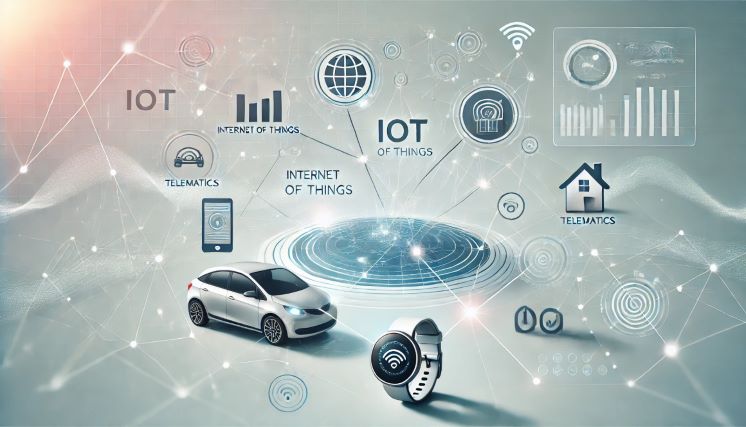
Introduction
In an increasingly connected world, insurance companies face growing demands for accurate, real-time data to assess risks and offer personalized policies. Traditional methods of risk assessment, while effective in many cases, are being supplemented and enhanced by emerging technologies like the Internet of Things (IoT) and telematics. These innovations allow insurers to gather more granular data, improve underwriting processes, and create smarter, more dynamic risk models.
This blog post explores how insurers can leverage IoT and telematics for smarter risk assessment, transforming the industry in the process. We'll dive into the technology behind these tools, the benefits they offer, and the practical ways insurance companies can integrate them into their risk management strategies.
The Role of IoT and Telematics in Insurance
Before understanding how IoT and telematics can be applied in risk assessment, it’s important to first understand what these terms mean and how they function within the insurance landscape.
- Internet of Things (IoT):The IoT refers to the network of physical devices—ranging from wearables to home appliances—embedded with sensors and software that enable them to collect and exchange data. In the context of insurance, IoT devices can track a wide range of factors, such as vehicle location, driving behavior, health metrics, or home security conditions. This data offers real-time insights into the policyholder’s activities and environment, enabling more precise risk evaluation.
- Telematics: A subset of IoT, telematics specifically involves the use of telecommunications and monitoring systems to track and report data related to vehicle movement and behavior. This often involves in-vehicle devices that measure factors such as speed, braking habits, mileage, and location. For insurers, telematics provides a wealth of data that can be used to assess driving risks, create customized pricing models, and prevent fraud.
Together, IoT and telematics represent a transformative opportunity for insurers to create more accurate, dynamic, and personalized risk models. Let’s explore how these technologies can be utilized for smarter risk assessment.
1. Improved Underwriting with Real-Time Data
Traditional risk assessment in the insurance industry often relies on historical data, such as credit scores, previous claims, or demographic information, to predict future outcomes. While this method has served insurers well, it fails to account for real-time changes that can significantly impact risk levels.
With IoT and telematics, insurers can access continuous streams of data, such as:
- Real-time health information from wearables
- Vehicle location and driving behavior data from telematics devices
- Home security system data and environmental factors
This shift toward real-time data allows insurers to more accurately assess the current risk profile of an individual or business, rather than relying solely on outdated or static information. For example, a driver who demonstrates safe driving habits—tracked through telematics devices—can be offered a lower premium than one with a history of reckless driving, even if their demographic information suggests they are a high-risk individual.
2. Personalized Pricing Models
One of the most significant benefits of IoT and telematics is the ability to develop personalized pricing models based on individual risk factors. For example, in the case of auto insurance, telematics can monitor a driver’s habits and provide a more tailored policy based on their actual driving behavior.
- Pay-as-you-drive (PAYD): This model allows insurers to charge customers based on their actual driving distance, making insurance more affordable for low-mileage drivers.
- Pay-how-you-drive (PHYD):With this model, insurers use telematics to monitor how safely individuals drive (e.g., braking, acceleration, speed), and the premiums are adjusted accordingly.
For health insurers, wearable devices that track an individual’s physical activity, heart rate, and sleep patterns can enable insurers to offer discounts or better pricing to those who maintain a healthy lifestyle. This not only creates more competitive pricing models but also incentivizes healthier behavior among policyholders.
3. Enhanced Risk Mitigation and Prevention
IoT and telematics do more than help insurers assess risk—they also help prevent and mitigate potential losses. By continuously monitoring a policyholder's environment or behavior, insurers can intervene early when a potential risk is detected. For example:
- Automobile Insurance: Telematics can monitor driving conditions in real-time and alert drivers to unsafe behavior or road conditions. In some cases, insurers can even provide feedback to encourage safer driving habits or send warnings about potential accidents (e.g., sudden sharp turns or high-speed driving).
- Home Insurance: IoT-enabled home security systems can detect hazards like fire, carbon monoxide, or flooding in real-time. Insurers can receive instant alerts when such issues arise, allowing them to take immediate action to mitigate damages and possibly prevent a claim from occurring.
- Health Insurance:Wearables can monitor individuals for early signs of health issues, such as an irregular heartbeat or lack of physical activity. With this data, insurers can offer health interventions or preventative care recommendations, reducing the likelihood of future medical claims.
By preventing losses before they happen, insurers can reduce claim volumes and ultimately lower costs, which benefits both the company and the policyholder.
4. Fraud Detection and Claims Management
Fraudulent claims are a significant problem in the insurance industry, leading to inflated premiums for all policyholders. IoT and telematics can play a pivotal role in detecting and preventing fraud by providing accurate, verifiable data during the claims process.
- Telematics in Auto Claims:Telematics data can provide insurers with precise information about an accident, such as the speed of the vehicle at the time of impact or whether the driver was distracted. This can help insurers quickly verify the authenticity of a claim and avoid fraudulent payouts.
- IoT in Property Claims: IoT sensors in homes can track real-time conditions, including temperature changes, movement, and water leaks. If a claim is made for a home that has already been deemed safe by sensors, insurers can quickly spot inconsistencies and prevent fraudulent claims from being processed.
By using IoT and telematics data to verify claims, insurers can not only reduce fraud but also speed up the claims process, improving customer satisfaction.
5. Enhanced Customer Engagement
Modern consumers are increasingly looking for more personalized, interactive experiences with their insurance providers. IoT and telematics provide insurers with the tools to engage with customers more proactively. For example:
- Proactive Recommendations: Based on real-time data, insurers can provide actionable insights to policyholders. For example, a health insurer could suggest exercise routines to a customer who is not meeting fitness goals based on data from a wearable device. A car insurer might suggest avoiding certain roads based on telematics data showing high accident rates in those areas.
- Gamification and Rewards: Insurers can use IoT and telematics data to create reward programs or gamification strategies. For example, customers who consistently drive safely or maintain healthy habits could earn points that translate into discounts, gift cards, or other incentives.
These interactive, personalized experiences help build a stronger relationship between insurers and their customers, increasing customer loyalty and retention.
6. The Future of IoT and Telematics in Insurance
As IoT and telematics technologies continue to evolve, the future of insurance looks promising. Insurers can expect even greater advancements in machine learning and artificial intelligence (AI), enabling them to process and analyze vast amounts of data more efficiently.
- Predictive Analytics: With advanced data analytics, insurers can predict emerging trends and proactively adjust their policies to align with future risks.
- Blockchain for Secure Data: Blockchain technology can be used to securely store and verify IoT and telematics data, ensuring its authenticity and reducing the risk of fraud.
- Integration of New IoT Devices: As more devices come online, insurers will have access to an even broader spectrum of data, such as smart home devices, environmental sensors, and even autonomous vehicles.
Conclusion
The integration of IoT and telematics into the insurance industry is already transforming risk assessment processes and shaping the future of the sector. By leveraging real-time data, insurers can provide more personalized pricing models, prevent losses, reduce fraud, and enhance customer engagement. As these technologies continue to evolve, insurers that embrace them will be well-positioned to stay ahead of the curve and deliver smarter, more efficient services to their policyholders.
For insurance companies looking to gain a competitive edge, the time to embrace IoT and telematics is now. By harnessing the power of data and technology, insurers can unlock new opportunities for growth, while providing enhanced value and security to their customers.
ABOUT THE AUTHOR


RELATED ARTICLES
Reducing Administrative Burden in Healthcare and Insurance Through Outsourced RPA Solutions
The healthcare and insurance industries are known for their complex, time-consuming administrative processes. From managing patient records and processing claims to billing and regulatory compliance, these sectors are burdened with repetitive tasks that can drain time and resources. Robotic Process Automation (RPA) has emerged as a powerful solution to alleviate this administrative load, helping organizations improve efficiency, accuracy, and cost-effectiveness.
Why Developing Your Own Custom-Built Claims Management System Is Beneficial to a Claims Adjusting Company
In today’s fast-paced digital world, the insurance and claims adjusting industries are undergoing rapid technological changes. With the rise of artificial intelligence, automation, and data-driven processes, claim adjusting companies are under increasing pressure to adopt new technology that can streamline operations and improve efficiency. One of the most significant decisions these companies face is whether to opt for a third-party claims management system or to develop their own custom-built solution.
Using Predictive Analytics to Improve Claims Outcomes in Insurance and Healthcare
In the insurance and healthcare industries, efficient claims management is essential for controlling costs, improving customer satisfaction, and reducing fraud. Predictive analytics and machine learning (ML) are revolutionizing how companies handle claims, enabling them to forecast outcomes, detect anomalies, and make data-driven decisions faster and with greater accuracy. Predictive analytics provides the ability to analyze historical data to identify patterns, trends, and relationships that are not easily visible through manual analysis

Building Scalable Hazard Mitigation Solutions with Custom Software
In industries like construction, oil and gas, manufacturing, and civil engineering, the potential for hazards is a constant concern. Hazard mitigation, which involves identifying, assessing, and minimizing risks, is critical to protecting people, infrastructure, and the environment from disasters and accidents. From explosion risk analysis to structural design safety, companies in hazard mitigation require advanced technological solutions to manage the complexity and scale of their operations.

Enhancing Customer Experience in Insurance with Outsourced Digital Platforms
In today’s competitive insurance market, customer experience is one of the most critical factors in determining a company’s success. Customers expect seamless, personalized, and efficient interactions with their insurance providers, whether it’s for policy management, claims filing, or customer support. As technology continues to advance, insurers are increasingly turning to digital platforms such as customer-facing portals, mobile apps, and chatbots to meet these demands.
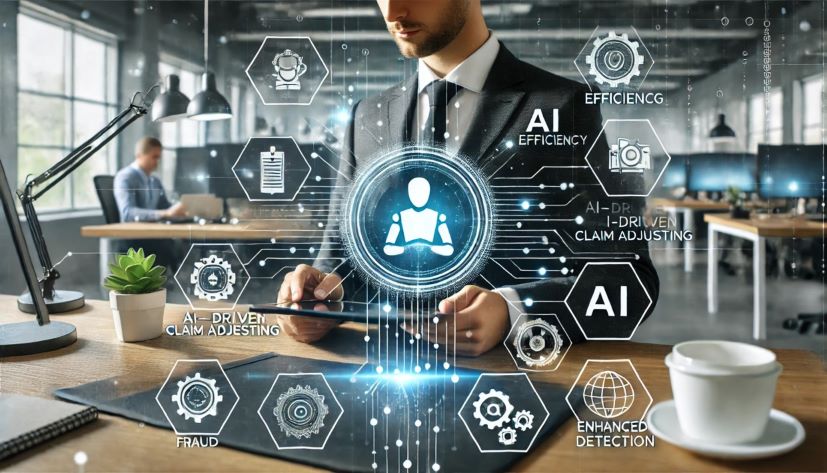
How AI and Automation in Claim Adjusting Are Transforming the Insurance Industry
The insurance industry is undergoing a seismic shift with the integration of artificial intelligence (AI) and automation. Claim adjusting, a core function within the insurance process, has traditionally been a labor-intensive task requiring significant manual effort. Today, thanks to advancements in AI and automation technologies, insurers are streamlining claim adjusting processes, reducing human error, and enhancing fraud detection capabilities.
If You Are In Need of a Reliable Outsourcing Partner, Try Our Services Risk Free!
- Start with a free no obligation consultation to discuss your business needs.
- We will advise you on how we can help you. You can then try our services risk free for a 100 hours.
- Pay only if you are satisfied. Otherwise, you owe us nothing, no questions asked.



Thank you for submitting your inquiry for our 100 hour Risk Free Trial.
We will get back to you shortly.
Please try again.