Home / Rheal Software Blog / AI-Powered Chatbots and Virtual Agents: Transforming Customer Service in P&C Insurance
AI-Powered Chatbots and Virtual Agents: Transforming Customer Service in P&C Insurance
Published on February 05, 2025
Introduction
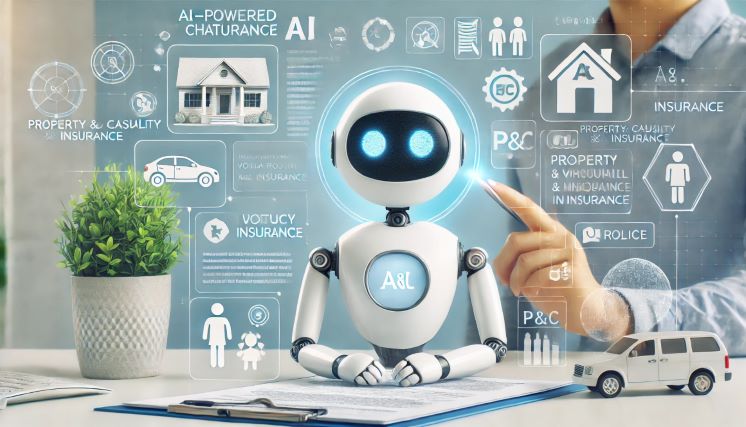
In today’s fast-paced digital landscape, the demand for faster, more efficient, and personalized customer service has never been higher. This is particularly true in the Property and Casualty (P&C) insurance industry, which faces unique challenges in managing customer inquiries, claims, policy renewals, and more. To meet these demands, many P&C insurers are increasingly turning to AI-powered chatbots and virtual agents. These technologies are transforming the way insurance companies interact with customers, providing real-time, cost-effective, and scalable solutions to improve customer experiences.
In this blog post, we will explore how AI chatbots and virtual agents are revolutionizing customer service in P&C insurance, the benefits they offer, and the future of AI in the industry.
The Rise of AI in Customer Service
Artificial Intelligence (AI) has made significant strides in recent years, particularly in customer service. AI-powered solutions, such as chatbots and virtual agents, are becoming essential tools for businesses seeking to provide seamless, 24/7 support to customers. These intelligent systems are capable of understanding natural language, processing vast amounts of data, and offering personalized responses. They work by simulating human-like conversations, making them ideal for handling routine inquiries and tasks that traditionally required human agents.
In the P&C insurance sector, AI chatbots and virtual agents are stepping in to handle a range of customer service functions, from answering frequently asked questions (FAQs) to managing claims processing. This shift to automation is streamlining operations, improving customer satisfaction, and driving operational efficiency.
How AI Chatbots and Virtual Agents Work in P&C Insurance
AI-powered chatbots and virtual agents utilize Natural Language Processing (NLP), machine learning, and data analytics to understand and respond to customer inquiries. These technologies enable them to engage in real-time conversations, provide accurate information, and perform various tasks without human intervention.
- Natural Language Processing (NLP): NLP is a branch of AI that helps chatbots and virtual agents understand and process human language. In the context of P&C insurance, NLP enables these systems to interpret customer queries about policies, claims, and coverage details.
- Machine Learning (ML): Machine learning allows chatbots and virtual agents to continuously improve their responses over time by learning from interactions. This capability makes them more effective at predicting customer needs and delivering accurate answers.
- Data Analytics:By analyzing vast amounts of historical data, AI systems can identify trends and patterns that allow them to provide personalized recommendations to customers, such as suggesting coverage upgrades or policy renewals.
- Integration with Insurance Systems: AI chatbots and virtual agents can integrate seamlessly with existing insurance systems, such as policy management and claims processing platforms. This allows them to access real-time data, making interactions faster and more efficient.
Key Benefits of AI-Powered Chatbots and Virtual Agents in P&C Insurance
The adoption of AI in customer service offers numerous benefits for P&C insurance companies and their customers. Let’s explore some of the key advantages:
1. 24/7 Availability
One of the primary benefits of AI-powered chatbots and virtual agents is their ability to provide round-the-clock support. Insurance customers often have urgent questions or issues outside of regular business hours. AI solutions can address these inquiries at any time, ensuring that customers receive the assistance they need without delays. Whether it’s an urgent claim inquiry or a simple policy update, AI chatbots are always available to provide assistance.
2. Cost Efficiency
Customer service is one of the largest operating costs for insurance companies. Traditional methods of customer service, such as phone support and in-person interactions, can be costly and resource-intensive. AI-powered chatbots and virtual agents help reduce these costs by automating routine tasks and handling a significant volume of customer inquiries. This allows human agents to focus on more complex cases, improving overall efficiency.
3. Faster Response Times
In the P&C insurance industry, speed is crucial. When a customer is dealing with a claim or needs information about their policy, waiting for a response can be frustrating. AI chatbots and virtual agents can provide instant responses to customer queries, reducing wait times and improving the overall customer experience. By automating repetitive inquiries, these AI solutions free up time for human agents to address more intricate matters, further enhancing response times.
4. Personalized Customer Interactions
AI chatbots and virtual agents leverage customer data to offer personalized interactions. By analyzing past interactions, claims history, and preferences, AI systems can tailor responses to individual customers. This personalized approach not only improves the customer experience but also enhances customer loyalty, as clients feel valued and understood by the insurer.
5. Scalability
As the insurance industry grows and customer expectations continue to evolve, scalability becomes a critical factor. AI chatbots and virtual agents can handle an unlimited number of customer interactions simultaneously, allowing insurance companies to scale their customer service operations without the need for additional human resources. This is particularly valuable during periods of high demand, such as after a natural disaster or during peak renewal seasons.
6. Improved Accuracy and Consistency
AI-powered systems are highly accurate and consistent in their responses. Unlike human agents, who may experience fatigue or provide inconsistent answers, chatbots and virtual agents provide uniform, error-free responses to customer inquiries. This consistency ensures that customers always receive accurate and reliable information about their policies, claims, and coverage options.
7. Enhanced Claims Processing
In P&C insurance, claims processing can be a lengthy and complex procedure. AI chatbots and virtual agents streamline this process by guiding customers through the steps of filing a claim, gathering necessary documentation, and providing real-time updates on claim status. This automation reduces administrative bottlenecks and accelerates the overall claims cycle, leading to faster resolution and improved customer satisfaction.
Real-World Examples of AI-Powered Chatbots and Virtual Agents in P&C Insurance
Several leading P&C insurance companies have already implemented AI-powered chatbots and virtual agents to enhance their customer service offerings. Here are a few notable examples:
- Lemonade Insurance: Lemonade, a disruptor in the P&C insurance space, uses AI-powered chatbots to handle everything from policy creation to claims management. Their chatbot, named “Maya,” assists customers with filing claims, processing payments, and answering questions. By automating these tasks, Lemonade can offer quicker responses and lower premiums for its customers.
- Allianz: Allianz, one of the largest global insurers, has introduced a virtual agent called “Olivia” that helps customers with policy inquiries, coverage details, and claims tracking. Olivia uses AI to understand customer needs and deliver relevant information in real-time, improving efficiency and customer satisfaction.
- State Farm: State Farm has incorporated AI-powered chatbots to assist with claims processing and policy inquiries. Their chatbot, called “Ask Jake,” helps customers with common questions and provides real-time claim updates. The integration of AI has enhanced the speed and accuracy of State Farm’s customer support.
The Future of AI in P&C Insurance
The future of AI in the P&C insurance industry looks promising. As AI technologies continue to evolve, we can expect even more sophisticated virtual agents and chatbots that offer deeper personalization and enhanced automation. AI-driven predictive analytics will allow insurers to anticipate customer needs, identify potential claims before they occur, and optimize policy pricing.
Moreover, with advancements in voice recognition and AI-powered conversational interfaces, the next generation of virtual agents may be able to hold more natural, human-like conversations with customers, making the user experience even more seamless.
Conclusion
AI-powered chatbots and virtual agents are transforming the landscape of customer service in the P&C insurance industry. These technologies provide significant benefits, including 24/7 availability, cost efficiency, personalized interactions, and faster response times. By automating routine tasks and enhancing customer experiences, AI is helping insurers stay competitive and meet the evolving expectations of their clients.
As AI continues to advance, the possibilities for improving customer service in P&C insurance are endless. Insurers that embrace these technologies today will be better positioned to thrive in an increasingly digital and customer-centric world.
ABOUT THE AUTHOR


RELATED ARTICLES
Top Digital Transformation Trends for P&C Insurance in 2025
The Property and Casualty (P&C) insurance industry is poised for significant transformation in 2025. As technology continues to evolve at a rapid pace, insurers are adopting innovative digital solutions to enhance customer experience, improve operational efficiency, and stay ahead of the competition. From the rise of artificial intelligence to the integration of blockchain technology, here are the top digital transformation trends that will shape P&C insurance in 2025.
The Rise of Embedded Insurance: Opportunities for P&C Insurers
The insurance industry is undergoing significant transformation, largely driven by advancements in technology, changing consumer expectations, and the integration of new business models. One of the most notable trends reshaping the landscape is the rise of embedded insurance . As more industries, platforms, and service providers look for ways to offer seamless insurance options, Property and Casualty (P&C) insurers are presented with both challenges and unparalleled opportunities. In this blog post, we'll explore the concept of embedded insurance, its implications for P&C insurers, and the potential opportunities it offers for growth, customer engagement, and innovation.
How Insurers Can Leverage IoT and Telematics for Smarter Risk Assessment
In an increasingly connected world, insurance companies face growing demands for accurate, real-time data to assess risks and offer personalized policies. Traditional methods of risk assessment, while effective in many cases, are being supplemented and enhanced by emerging technologies like the Internet of Things (IoT) and telematics. These innovations allow insurers to gather more granular data, improve underwriting processes, and create smarter, more dynamic risk models.
Reducing Administrative Burden in Healthcare and Insurance Through Outsourced RPA Solutions
The healthcare and insurance industries are known for their complex, time-consuming administrative processes. From managing patient records and processing claims to billing and regulatory compliance, these sectors are burdened with repetitive tasks that can drain time and resources. Robotic Process Automation (RPA) has emerged as a powerful solution to alleviate this administrative load, helping organizations improve efficiency, accuracy, and cost-effectiveness.
Why Developing Your Own Custom-Built Claims Management System Is Beneficial to a Claims Adjusting Company
In today’s fast-paced digital world, the insurance and claims adjusting industries are undergoing rapid technological changes. With the rise of artificial intelligence, automation, and data-driven processes, claim adjusting companies are under increasing pressure to adopt new technology that can streamline operations and improve efficiency. One of the most significant decisions these companies face is whether to opt for a third-party claims management system or to develop their own custom-built solution.
Using Predictive Analytics to Improve Claims Outcomes in Insurance and Healthcare
In the insurance and healthcare industries, efficient claims management is essential for controlling costs, improving customer satisfaction, and reducing fraud. Predictive analytics and machine learning (ML) are revolutionizing how companies handle claims, enabling them to forecast outcomes, detect anomalies, and make data-driven decisions faster and with greater accuracy. Predictive analytics provides the ability to analyze historical data to identify patterns, trends, and relationships that are not easily visible through manual analysis

Building Scalable Hazard Mitigation Solutions with Custom Software
In industries like construction, oil and gas, manufacturing, and civil engineering, the potential for hazards is a constant concern. Hazard mitigation, which involves identifying, assessing, and minimizing risks, is critical to protecting people, infrastructure, and the environment from disasters and accidents. From explosion risk analysis to structural design safety, companies in hazard mitigation require advanced technological solutions to manage the complexity and scale of their operations.
If You Are In Need of a Reliable Outsourcing Partner, Try Our Services Risk Free!
- Start with a free no obligation consultation to discuss your business needs.
- We will advise you on how we can help you. You can then try our services risk free for a 100 hours.
- Pay only if you are satisfied. Otherwise, you owe us nothing, no questions asked.




Thank you for submitting your inquiry for our 100 hour Risk Free Trial.
We will get back to you shortly.
Please try again.